
January in Nettuno
What to plant in January in Nettuno
Direct sowing, recommended transplants, and average climate risks for a vegetable garden in Nettuno in January.
Operational summary
Crop actions
| Action | Crops | Success probability |
|---|---|---|
| Direct sowing2 crops | Onion, Lettuce | High80% |
| Start indoors2 crops | Broccoli, Tuscan kale | High80% |
| Transplants2 crops | Onion, Lettuce | High80% |
| Wait6 crops | Swiss chard, Carrot, Pea, Radish, Arugula, Spinach | Medium55.67% |
Direct sowing (2)
Start indoors (2)
Transplants (2)
Wait (6)
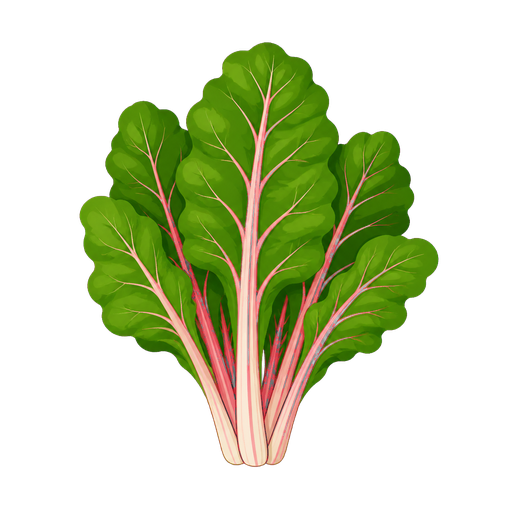 Swiss chardwindow: from January 1 to January 31harvest: from February 19 to March 21›
 Carrotwindow: from January 1 to January 31harvest: from March 1 to March 31›
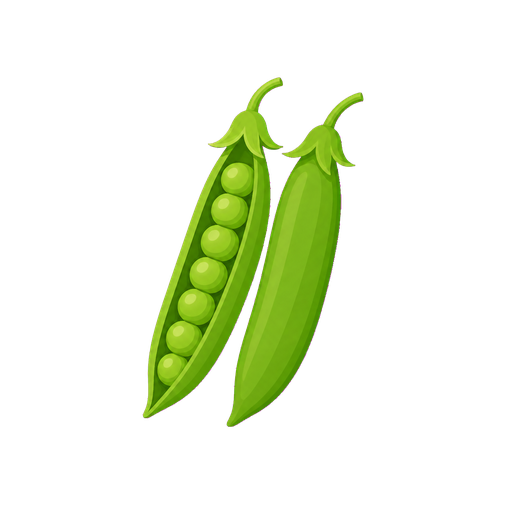 Peawindow: from January 1 to January 31harvest: from February 24 to March 26›
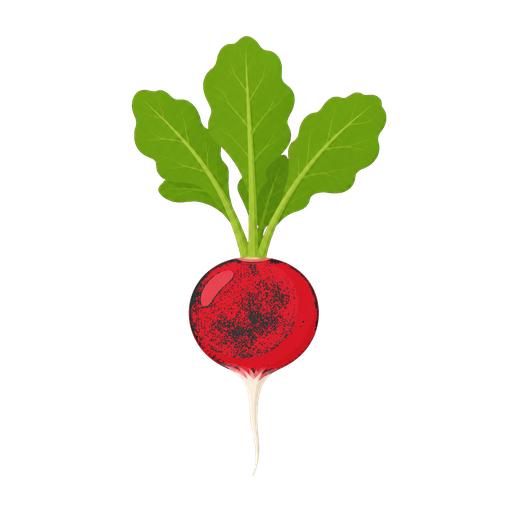 Radishwindow: from January 1 to January 31harvest: from January 25 to February 24›
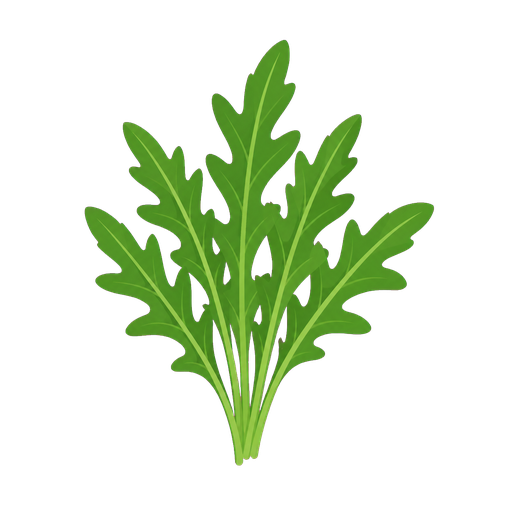 Arugulawindow: from January 1 to January 31harvest: from January 25 to February 24›
 Spinachwindow: from January 1 to January 31harvest: from February 4 to March 6›
Crops for this month
| Action | Crops | Success probability |
|---|---|---|
| Direct sowing2 crops | High80% | |
| Start indoors2 crops | Broccolistart indoors: January 7harvest: from April 18 to December 31Tuscan kalestart indoors: January 14harvest: from April 13 to December 31 | High80% |
| Transplants2 crops | High80% | |
| Wait6 crops | Swiss chardwindow: from January 1 to January 31harvest: from February 19 to March 21Carrotwindow: from January 1 to January 31harvest: from March 1 to March 31Peawindow: from January 1 to January 31harvest: from February 24 to March 26Radishwindow: from January 1 to January 31harvest: from January 25 to February 24Arugulawindow: from January 1 to January 31harvest: from January 25 to February 24Spinachwindow: from January 1 to January 31harvest: from February 4 to March 6 | Medium55.67% |
Direct sowing (2)
Start indoors (2)
Transplants (2)
Wait (6)
- Swiss chardwindow: from January 1 to January 31harvest: from February 19 to March 21›
- Carrotwindow: from January 1 to January 31harvest: from March 1 to March 31›
- Peawindow: from January 1 to January 31harvest: from February 24 to March 26›
- Radishwindow: from January 1 to January 31harvest: from January 25 to February 24›
- Arugulawindow: from January 1 to January 31harvest: from January 25 to February 24›
- Spinachwindow: from January 1 to January 31harvest: from February 4 to March 6›
Method and limits
What should I start with in January in Nettuno?
Start with Onion for direct sowing during from January 1 to January 31. The estimated harvest is from March 31 to April 30 and the best estimated success rate is 80%.
Should I use indoor seed starting in January in Nettuno?
For Broccoli, the useful indoor seed period is from January 7 to September 19. The expected transplanting window is from February 18 to October 31 and it is best to start seedlings 42 days earlier.
How should I read January climate for Nettuno?
Check irrigation and soil moisture: the average dry spell reaches 11.27 days, even with average rain of 75.14 mm. Monthly averages: minimum 8.97 °C, maximum 12.63 °C, rain 75.14 mm, and dry spell 11.27 days.
When should Swiss chard be avoided in Nettuno?
The available Swiss chard window is from January 1 to January 31 and remains classified as risky. The best estimated success rate is 53%; before starting, check: overall climate risk is moderate.