
February in Vasto
What to plant in February in Vasto
Direct sowing, recommended transplants, and average climate risks for a vegetable garden in Vasto in February.
Operational summary
Crop actions
| Action | Crops | Success probability |
|---|---|---|
| Direct sowing9 crops | Swiss chard, Carrot, Tuscan kale, Onion, Lettuce, Pea, Radish, Arugula, Spinach | High83.78% |
| Start indoors4 crops | Broccoli, Tuscan kale, Strawberry, Lettuce | High81.5% |
| Transplants4 crops | Broccoli, Tuscan kale, Onion, Lettuce | High84.75% |
| Wait1 crop | Potato | Low50% |
Direct sowing (9)
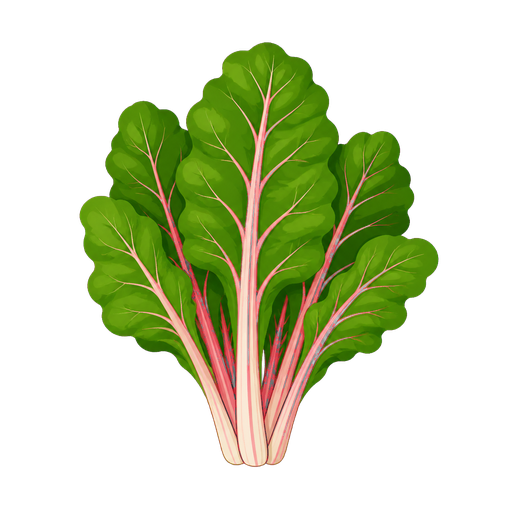 Swiss chardwindow: from February 20 to February 29harvest: from April 10 to April 18›
 Carrotwindow: from February 20 to February 29harvest: from April 20 to April 28›
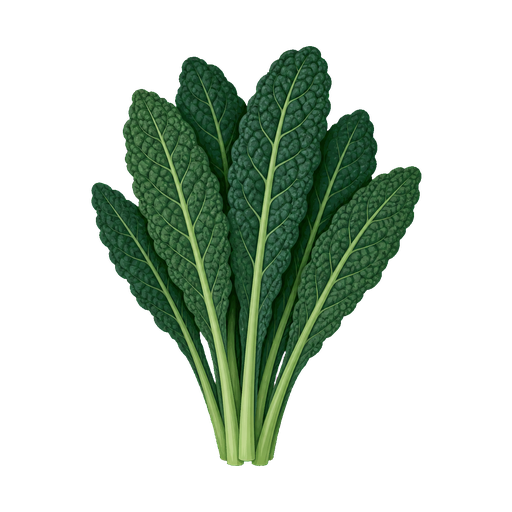 Tuscan kalewindow: from February 20 to February 29harvest: from April 15 to April 23›
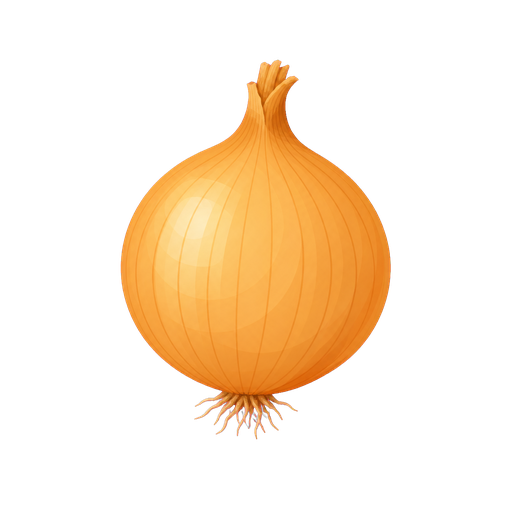 Onionwindow: from February 1 to February 29harvest: from May 1 to May 28›
 Lettucewindow: from February 14 to February 29harvest: from March 27 to April 6›
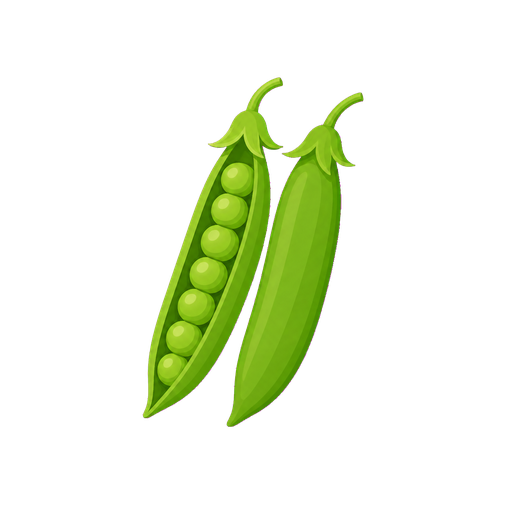 Peawindow: from February 20 to February 29harvest: from April 15 to April 23›
 Radishwindow: from February 20 to February 29harvest: from March 16 to March 24›
 Arugulawindow: from February 20 to February 29harvest: from March 16 to March 24›
Start indoors (4)

Transplants (4)
 Broccoliwindow: from February 20 to February 29harvest: from April 20 to April 28›
- Tuscan kalewindow: from February 20 to February 29harvest: from April 15 to April 23›
- Onionwindow: from February 1 to February 29harvest: from May 1 to May 28›
- Lettucewindow: from February 14 to February 29harvest: from March 27 to April 6›
Wait (1)
Crops for this month
| Action | Crops | Success probability |
|---|---|---|
| Direct sowing9 crops | Swiss chardwindow: from February 20 to February 29harvest: from April 10 to April 18Carrotwindow: from February 20 to February 29harvest: from April 20 to April 28Tuscan kalewindow: from February 20 to February 29harvest: from April 15 to April 23Onionwindow: from February 1 to February 29harvest: from May 1 to May 28Lettucewindow: from February 14 to February 29harvest: from March 27 to April 6Peawindow: from February 20 to February 29harvest: from April 15 to April 23Radishwindow: from February 20 to February 29harvest: from March 16 to March 24Arugulawindow: from February 20 to February 29harvest: from March 16 to March 24Spinachwindow: from February 20 to February 29harvest: from March 26 to April 3 | High83.78% |
| Start indoors4 crops | Broccolistart indoors: January 9harvest: from April 20 to December 31Tuscan kalestart indoors: January 16harvest: from April 15 to December 31Strawberrystart indoors: February 21harvest: from May 18 to December 29Lettucestart indoors: January 17harvest: from March 27 to December 24 | High81.5% |
| Transplants4 crops | Broccoliwindow: from February 20 to February 29harvest: from April 20 to April 28Tuscan kalewindow: from February 20 to February 29harvest: from April 15 to April 23Onionwindow: from February 1 to February 29harvest: from May 1 to May 28Lettucewindow: from February 14 to February 29harvest: from March 27 to April 6 | High84.75% |
| Wait1 crop | Potatowindow: from February 28 to February 29harvest: May 28 | Low50% |
Direct sowing (9)
- Swiss chardwindow: from February 20 to February 29harvest: from April 10 to April 18›
- Carrotwindow: from February 20 to February 29harvest: from April 20 to April 28›
- Tuscan kalewindow: from February 20 to February 29harvest: from April 15 to April 23›
- Onionwindow: from February 1 to February 29harvest: from May 1 to May 28›
- Lettucewindow: from February 14 to February 29harvest: from March 27 to April 6›
- Peawindow: from February 20 to February 29harvest: from April 15 to April 23›
- Radishwindow: from February 20 to February 29harvest: from March 16 to March 24›
- Arugulawindow: from February 20 to February 29harvest: from March 16 to March 24›
Start indoors (4)
Transplants (4)
- Broccoliwindow: from February 20 to February 29harvest: from April 20 to April 28›
- Tuscan kalewindow: from February 20 to February 29harvest: from April 15 to April 23›
- Onionwindow: from February 1 to February 29harvest: from May 1 to May 28›
- Lettucewindow: from February 14 to February 29harvest: from March 27 to April 6›
Wait (1)
Method and limits
Which crop has the clearest window in February in Vasto?
Start with Swiss chard for direct sowing during from February 20 to February 29. The estimated harvest is from April 10 to April 18 and the best estimated success rate is 83%.
Which crop can be started indoors in February?
For Broccoli, the useful indoor seed period is from January 9 to September 19. The expected transplanting window is from February 20 to October 31 and it is best to start seedlings 42 days earlier.
What limits February most in Vasto?
Check irrigation and soil moisture: the average dry spell reaches 9.7 days, even with average rain of 40.92 mm. Monthly averages: minimum 6.88 °C, maximum 12.36 °C, rain 40.92 mm, and dry spell 9.7 days.
When should Potato be avoided in Vasto?
The available Potato window is from February 28 to February 29 and remains classified as risky. The best estimated success rate is 50%; before starting, check: overall climate risk is moderate.