
Skip to content
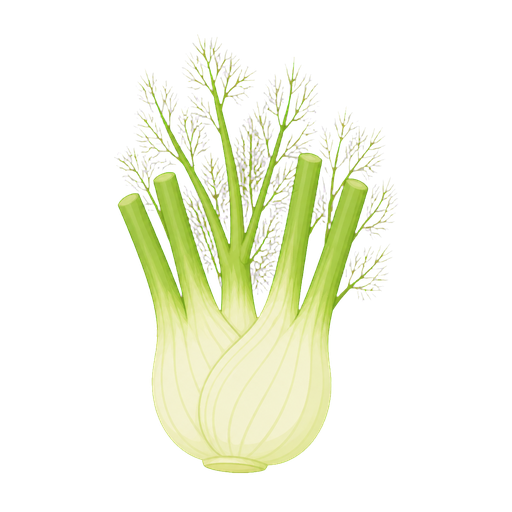
Fennel

Crop profile

Fennel crop profile

A delicate, orderly crop, best grown without stress and lightly earthed up for tender bulbs.

Italiano

Starting method

Direct sowing or transplanting

Direct soil

10 °C

Transplant soil

10 °C

Night minimum

5 °C

Frost buffer

0 days

Heat stop

28 °C

Harvest

60–90 days

Indoor lead

35 days

Key temperatures

  1. 0
  2. 5
  3. 10
  4. 15
  5. 20
  6. 25
  7. 30
  8. 35
  9. 40 °C
  • Below 10 °CCold risk: slower growth or cold damage.
  • 10 °CMinimum range to start: direct sowing from 10 °C, transplanting from 10 °C.
  • 10–23 °CBest range for growth and production.
  • 23–28 °CPerformance drops and plants move into stress.
  • Above 28 °CPause transplants: heat stress risk.

Fennel cycle

  1. 1. Start indoors

    Average time:
    35 days

  2. 2. Direct sowing or transplanting

    Soil: at least 10 °C
    Night minimum: at least 5 °C

  3. 3. Growth

    Ideal temperatures 10–23 °C
    Avoid peaks above 28 °C

  4. 4. Harvest

    First harvest around:
    60–90 days after starting

How to start

  • Recommended method: direct sowing or transplanting.
  • Prepare seedlings with mild, steady temperatures.
  • Start when soil and nights are stable above the crop thresholds.

Temperatures to respect

  • Direct-sowing soil: minimum 10 °C.
  • Transplant soil: minimum 10 °C.
  • Night minimum: minimum 5 °C.
  • Heat stop: 28 °C.
  • Suggested frost buffer: 0 days.

Harvest timing

  • Cycle to first harvest: about 60–90 days.
  • Harvest gradually as produce reaches maturity.

Seasonal notes

  • Protect young plants from late frosts and thermal swings.
  • In summer, avoid water stress and heat peaks above 28 °C.
  • Steady growth improves development and harvest quality.

FAQ and sources

When should you sow or transplant bulb fennel?

Bulb fennel is sown or transplanted with soil around 10 °C and nights above 5 °C. It is sensitive to stress: cold, drought, and disturbed roots can make it bolt. You can start seedlings about 35 days earlier, preferably in individual modules, or direct sow. For autumn harvests, late-summer sowings are often more reliable than sowing in peak heat. Avoid late transplants with seedlings that are already leggy or stalled.

Why does fennel bolt instead of making a bulb?

Bolting is the main problem with bulb fennel. It can come from sowing too early, temperature swings, heat above 28 °C, drought, or root damage during transplanting. Use bolt-resistant varieties, water regularly, and never let the soil dry out completely. If transplanting, use young plants with an intact root ball. When the bulb starts stretching upward, harvest immediately: it is becoming fibrous.

How many days does fennel take to harvest?

Bulb fennel is usually harvested 60-90 days after sowing or transplanting. The right moment is when the bulb is formed, firm, and still tender, often around 10-15 cm depending on variety and conditions. Do not wait for huge size: overmature fennel becomes hard and woody. Cut it at the base with a sharp knife. If you leave the roots and base in the ground, they may resprout aromatic leaves, but not a new large bulb.

Why should you earth up fennel?

Earthing up means pulling a little soil around the bulb as it begins to swell. It keeps the bulb whiter, sweeter, and protected from light, while also stabilising the plant. Do not cover the heart and do not mound heavy wet soil around it. The job works best when soil is fresh and fine. Earthing up does not fix a plant that has already bolted: it improves quality, but it is not a cure for growing stress.

Can fennel be grown in pots?

Yes, but it needs a wide, deep pot because fennel needs steady moisture and space for the bulb. In small containers it dries out quickly and bolts. Use fertile compost, place it in sun that is not excessive during hot periods, and water very regularly. It is better to grow a few well-spaced plants than many crowded ones. On balconies, aim for smaller but tender bulbs instead of full field-size bulbs.

Related pages